The modern film industry transformed significantly when Tom Holland first swung into the Marvel Cinematic Universe. Examining Tom Holland’s Spider-Man Journey — From Homecoming to Brand New Day unveils a layered evolution of a character who was initially defined by his high-tech mentors. Unlike previous iterations, this Peter Parker moves through a decade-long coming-of-age story that eventually leads him to a point of total isolation. Throughout this guide, we will evaluate how this narrative path reshapes the Spider-Man mythos for a global audience seeking both spectacle and emotional depth. Significantly, this journey serves as a case study for long-form character development in an interconnected multiverse.
Building the narrative for this era demanded a departure from the traditional origin story. By skipping the radioactive spider bite, the creatives empowered the audience to focus on Peter’s internal struggle to balance teenage responsibilities with cosmic threats. This approach proclaims that the character’s essence is not found in his powers, but in his persistent desire to do the right thing despite immense odds. In addition, the transition from the vibrant tones of Homecoming to the somber reality of the Brand New Day reset signals a profound maturation of the franchise itself. Moviegoers regularly cite this specific pathway as the most logical version of the Wall-Crawler’s life ever captured on screen.
Technical Breakdown of Holland’s Spider-Man Suit and Effects
Navigating the technical aspects of Tom Holland’s Spider-Man Journey — From Homecoming to Brand New Day involved a distinct partnership between two major studios. In terms of production, the blending of Marvel’s energetic storytelling with Sony’s massive visual effects infrastructure created a milestone for the genre. Notably, the evolution of the Spider-Man suits shows the jump in CGI technology from 2016 to the present. Technical teams applied advanced motion capture techniques to assure that Holland’s agility was flawlessly translated to the digital double. This level of detail ensures a smooth experience during the high-octane web-slinging sequences.
Additionally, the visual vision of Jon Watts highlighted a grounded camera style that departs from the more heightened approach of previous directors. By using long takes and dynamic camera movements, the trilogy portrays the chaotic nature of Peter Parker’s life. Technicians consistently point to the ferry scene in Homecoming as a clear demonstration of tactile stunt work enhanced by digital wizardry. It should be mentioned that the visual palette also evolves throughout the trilogy, echoing Peter’s growth. In the end, the technical execution of these films serves a solid visual language that connects the entire MCU experience.
Guide to Tracking Peter Parker’s Growth Across the MCU
To thoroughly analyze the narrative nuance of Peter’s story, one must follow the films in a specific logical order. The timeline commences with his impactful debut in Captain America: топ фільмів для перегляду Civil War, which establishes his bond with Tony Stark. Moving forward, Spider-Man: Homecoming delivers the first detailed look at his daily life, where the stakes remain largely local. Steering through this arc calls for an understanding of how Peter’s dreams to join the Avengers slowly bump against the harsh realities of being a hero. Viewers must pay close attention to the subtle changes in his resolve during these early phases.
Transitioning to the high-stakes scale of Infinity War and Endgame, Peter’s role expands significantly. In this period, he undergoes unimaginable loss, which functions as the motivation for his actions in Far From Home. Vital to note, the jump from fighting Thanos to handling the legacy of Iron Man solidifies his character’s burden. Lastly, No Way Home completes the first cycle, leading him toward the Brand New Day status quo. Tracking this evolution enables the audience to see the transformation from a mentored sidekick into a self-contained icon.
The Benefits and Drawbacks of Tom Holland’s Interpretation
Though Holland’s performance is generally praised, the MCU’s iteration on the character has its noticeable strengths and weaknesses. One major strength is the exceptional chemistry between the ensemble cast, which breathes life into the Peter-Ned-MJ trio. In addition, the films efficiently illustrate the uncertainty of adolescence better than any past version. Conversely, the constant reliance on Stark technology has been a point of contention for longtime fans. Observers frequently argue that this diminishes Peter’s resourcefulness as a self-made hero.
An additional point of analysis is the pacing of the narrative arc. Certain viewers feel that the cosmic elements in the final film overshadow the more intimate elements established earlier. Conversely, the emotional payoff in the final act of No Way Home mitigates many of these concerns by stripping away the support systems. Ultimately, the merit of Tom Holland’s Spider-Man Journey — From Homecoming to Brand New Day lies in its boldness to break down the hero before remaking him. Even if the trilogy occasionally falters with its brand obligations, it delivers a fascinating look at modern heroism.
Conclusion to the Spider-Man Homecoming Trilogy
Wrapping up our extensive look at this era, it is obvious that Tom Holland has secured his place as a pivotal Peter Parker. Comparing this version against the previous incarnations, we observe a more patient character arc that covers six film appearances. Industry experts will recognize the Brand New Day ending as a risky reset that starts fresh. Looking to the next phase, the prospect of a street-level Spider-Man hints at a return to the character’s fundamental origins. In conclusion, this journey remains a remarkable example of strategic franchise planning and authentic storytelling.
The significance of Tom Holland’s Spider-Man Journey — From Homecoming to Brand New Day will persist for years within the superhero genre. By skillfully juggling the requirements of a giant cinematic universe with intimate stakes, the trilogy raises the bar for successors. Critics should look for that the principles established here will influence future adaptations of other iconic heroes. Regardless of whether you prefer the tech-heavy start or the minimalist finish, there is unquestionable evidence that Holland’s work is monumental.
Frequently Asked Questions About Holland’s Spider-Man
Q: What does Brand New Day mean for Peter Parker’s future?
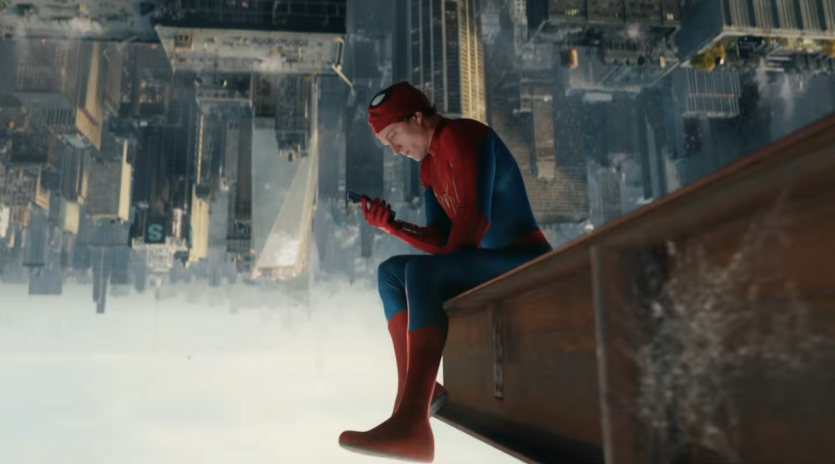
A: In the context of the MCU, this term denotes a total narrative shift. After the events of No Way Home, Peter is entirely alone, indicating the next films will focus on his isolated adventures without Avenger support.
Q: How does Tom Holland’s Spider-Man Journey — From Homecoming to Brand New Day compare to Tobey Maguire’s?
A: Holland’s arc is considerably longer and more integrated with other heroes. While Maguire’s Peter was a standalone hero from the start, www.kinoafisha.com.ua Holland goes through a gradual transition from a protege to a sovereign protector.
Q: Is Tom Holland’s Spider-Man Journey — From Homecoming to Brand New Day considered a complete story?
A: Indeed, нові фільми в хорошій якості the Homecoming Trilogy is seen as a complete prequel arc. It thoroughly records his rise from a naive teen to the mature hero seen at the end of the third film.
Q: Which movie is the most critical to his development?
A: Many experts contend that No Way Home is the crucial moment. It is where Peter accepts the full weight of sacrifice without any fallback.
Q: Will there be another trilogy after the Brand New Day reset?
A: Official statements confirm that a second trilogy is being planned. This new chapter will presumably explore Peter’s adult life in a more grounded New York setting.
Q: Why did Peter Parker lose his Stark technology?
A: The narrative reason was to drive the character back to his basics. By removing the high-tech resources, the filmmakers ensured that Peter must rely solely on his own bravery to survive.