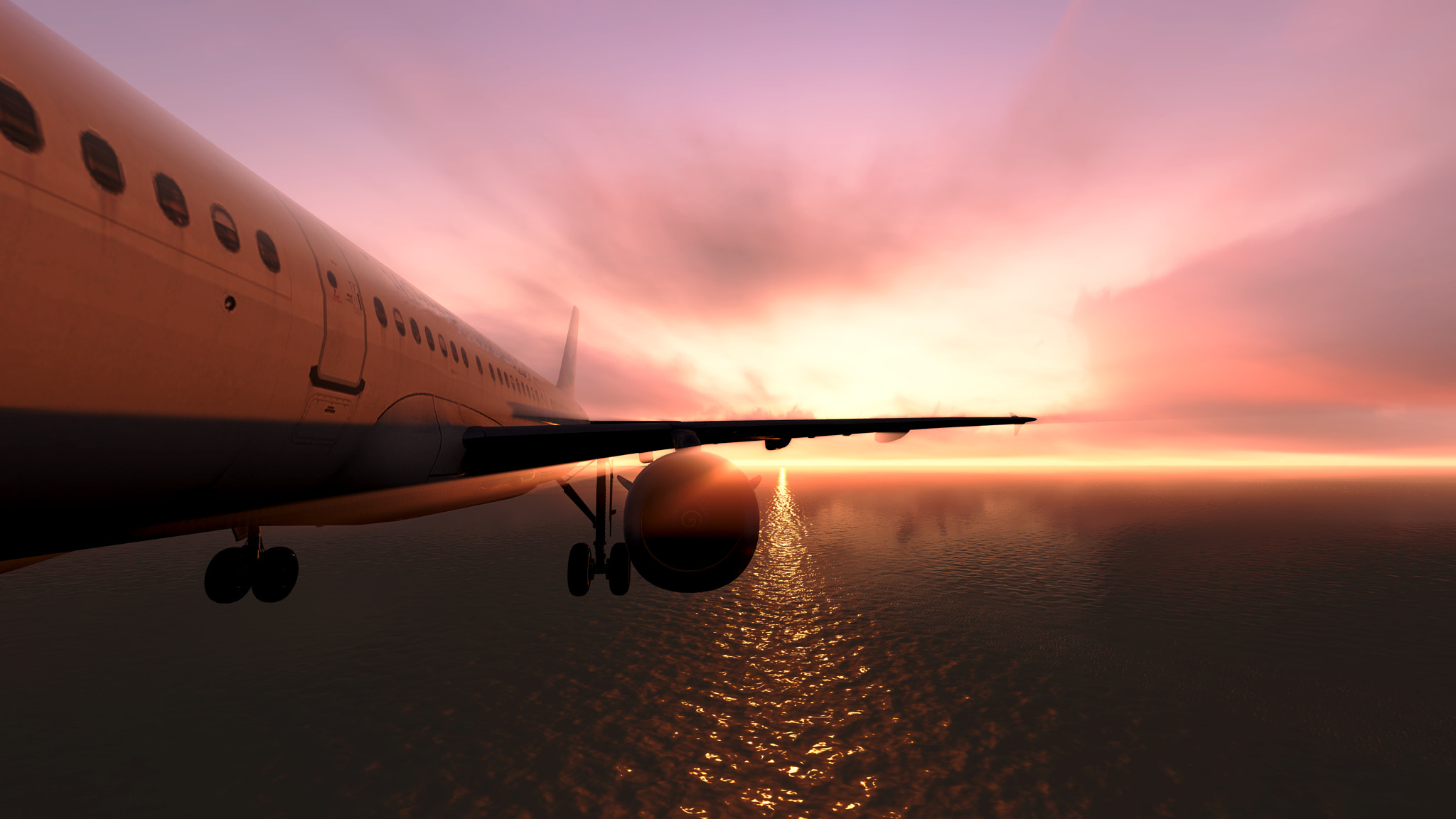
The aviation trade has witnessed outstanding developments over the previous few a long time, with the introduction of assorted aircraft designed to meet the various needs of travelers. Among these, VIP jets have emerged as a significant segment, catering to high-internet-price individuals, company executives, and authorities officials. This article explores the evolution, technological improvements, and socio-financial impacts of VIP jets, elucidating their position in fashionable aviation.
Historical Context
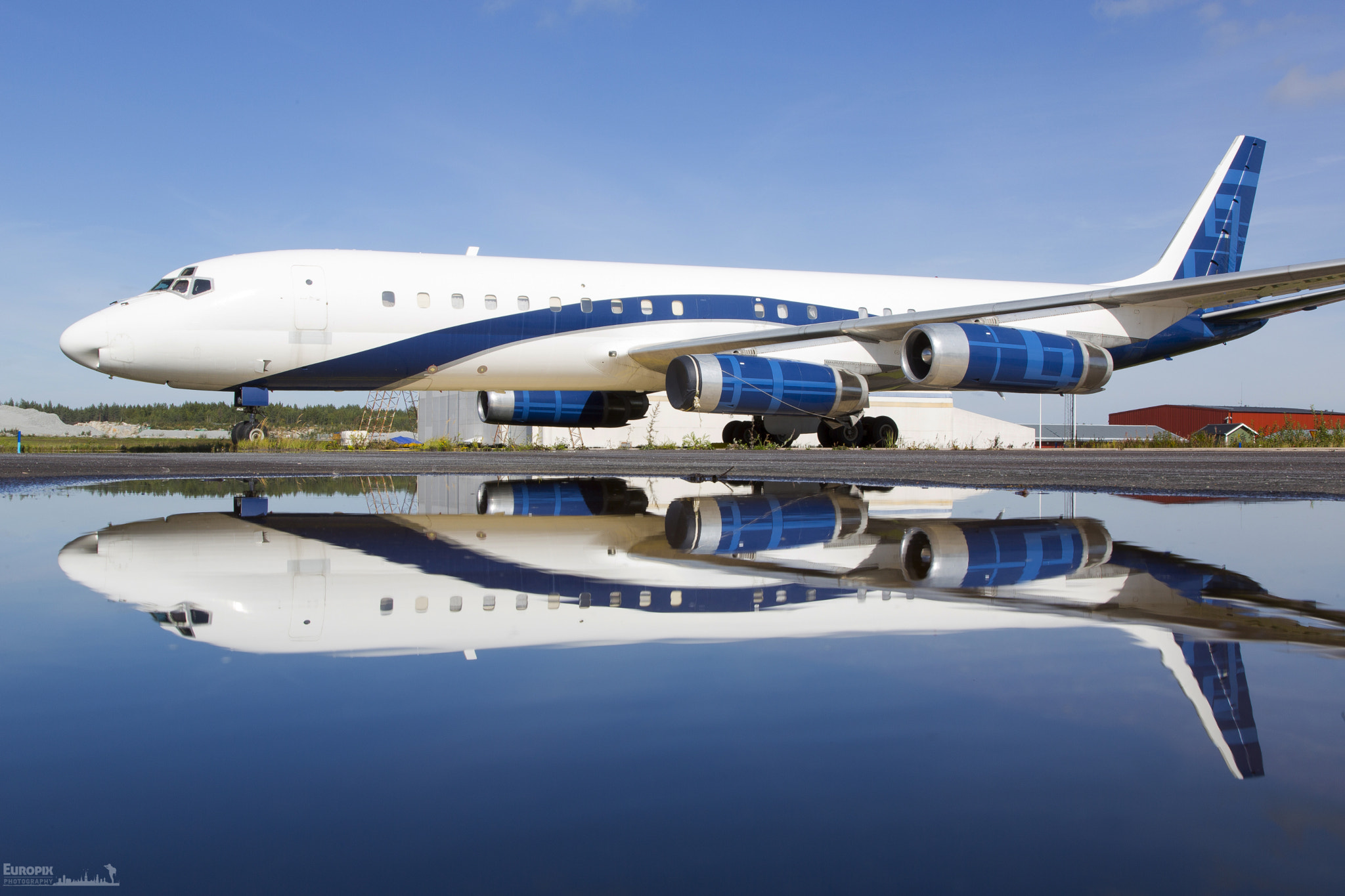
The idea of private air travel can be traced again to the early 20th century, with the appearance of the first commercial airways. Nevertheless, it was not until the 1950s that the VIP jet market started to take shape. The introduction of the de Havilland Comet and Boeing 707 marked a turning level, as these aircraft have been adapted for private use. The 1970s noticed the emergence of dedicated business jets, such because the Learjet 23, which catered specifically to the wants of corporate clients and affluent individuals.
Technological Innovations
The evolution of VIP jets has been closely tied to developments in aviation know-how. Modern VIP jets are equipped with state-of-the-art options that improve comfort, security, and effectivity. Key improvements include:
- Cabin Comfort: Contemporary VIP jets provide luxurious interiors, often designed by renowned architects and interior designers. Features akin to spacious seating, excessive-finish supplies, and customizable layouts enable for a personalised travel experience. Superior soundproofing expertise ensures a quiet atmosphere, while local weather control techniques maintain optimum consolation ranges.
- Avionics and Navigation: Modern VIP jets are outfitted with subtle avionics techniques that enhance safety and ease of operation. The integration of GPS technology, terrain consciousness methods, and autopilot functions allows pilots to navigate with precision and confidence. These advancements have significantly reduced the chance of human error and improved general flight safety.
- Gasoline Efficiency: With growing concerns about environmental sustainability, manufacturers have centered on growing gasoline-environment friendly engines and lightweight supplies. The use of composite materials in aircraft building has resulted in lighter airframes, leading to diminished fuel consumption and lower carbon emissions. This shift in the direction of sustainability is essential for the way forward for aviation.
- Connectivity: In an more and more digital world, connectivity has turn into a precedence for travelers. Fashionable VIP jets are geared up with excessive-pace internet access, satellite communication programs, and advanced leisure options. This connectivity permits passengers to work, talk, and stay entertained all through their journey, making private air travel more appealing.
The Socio-Economic Influence of VIP Jets
The rise of VIP jets has significant implications for the global economy. This section of aviation not solely generates substantial revenue for manufacturers and repair suppliers but in addition contributes to job creation and economic development.
- Financial Development: The VIP jet trade has seen exponential development, driven by rising demand from corporate clients and rich individuals. According to the final Aviation Manufacturers Affiliation (GAMA), the enterprise aviation sector contributed approximately $a hundred and fifty billion to the U.S. financial system in 2019 alone. This figure contains manufacturing, maintenance, and operational providers, highlighting the industry’s economic significance.
- Job Creation: The VIP jet sector employs a various range of professionals, from engineers and designers to pilots and cabin crew. The growth of this trade has led to the creation of 1000’s of jobs, offering opportunities for skilled workers across numerous fields. Additionally, ancillary companies equivalent to catering, floor transportation, and upkeep further contribute to employment in related sectors.
- World Connectivity: VIP jets play a vital position in enhancing global connectivity. They permit businesses to function across borders effectively, facilitating international trade and investment. Company executives can attend conferences in multiple international locations within a single day, promoting collaboration and innovation. Furthermore, VIP jets serve distant locations that may lack business air service, making certain access to essential providers and sources.
- Tourism and Leisure: The VIP jet trade has also remodeled the tourism landscape. Rich travelers more and more want private jets for leisure journeys, allowing them to go to exclusive locations with ease. This trend has led to the growth of luxurious tourism, benefiting native economies and selling cultural trade. Destinations that cater to VIP travelers usually experience increased funding in infrastructure and providers, further enhancing their enchantment.
Challenges Dealing with the VIP Jet Industry
Regardless of its progress, the VIP jet business faces a number of challenges that could influence its future. One in every of the primary issues is the environmental impression of private aviation. As international awareness of local weather change will increase, there may be rising pressure on the aviation sector to reduce its carbon footprint. The business is actively exploring sustainable aviation fuels (SAFs), electric propulsion systems, and other improvements to deal with these issues.
Regulatory challenges additionally pose a big hurdle. The VIP jet industry operates within a complex framework of international regulations, which might differ significantly between countries. If you loved this article and you would like to get much more details regarding privatejetrental kindly visit the web site. Navigating these laws may be cumbersome, resulting in delays and increased operational costs. Moreover, the business should take care of public notion, as private aviation is often seen as a logo of wealth and privilege.
The way forward for VIP Jets
Trying ahead, the VIP jet business is poised for continued development and innovation. As know-how advances, we will expect to see additional enhancements in security, efficiency, and passenger expertise. The integration of artificial intelligence and automation may streamline operations and improve decision-making processes for pilots and operators.
Moreover, the industry’s response to environmental challenges will form its future trajectory. The adoption of sustainable practices and technologies might be important in sustaining public belief and making certain lengthy-time period viability. Collaboration between manufacturers, operators, and regulators will probably be crucial in addressing these challenges and selling a sustainable future for VIP aviation.
Conclusion
VIP jets have grow to be an integral part of the modern aviation panorama, offering unparalleled comfort, luxury, and effectivity. As the industry continues to evolve, it’s going to play a significant position in shaping global connectivity and economic development. By embracing technological advancements and addressing environmental concerns, the VIP jet sector can ensure its relevance and sustainability in the years to return.