In an era marked by economic uncertainty and fluctuating markets, the timeless allure of treasured metals, particularly silver and gold, continues to captivate investors and collectors alike. These metals, revered for their magnificence and intrinsic value, have transcended mere commodities to turn into symbols of wealth, stability, and even cultural significance throughout historical past.
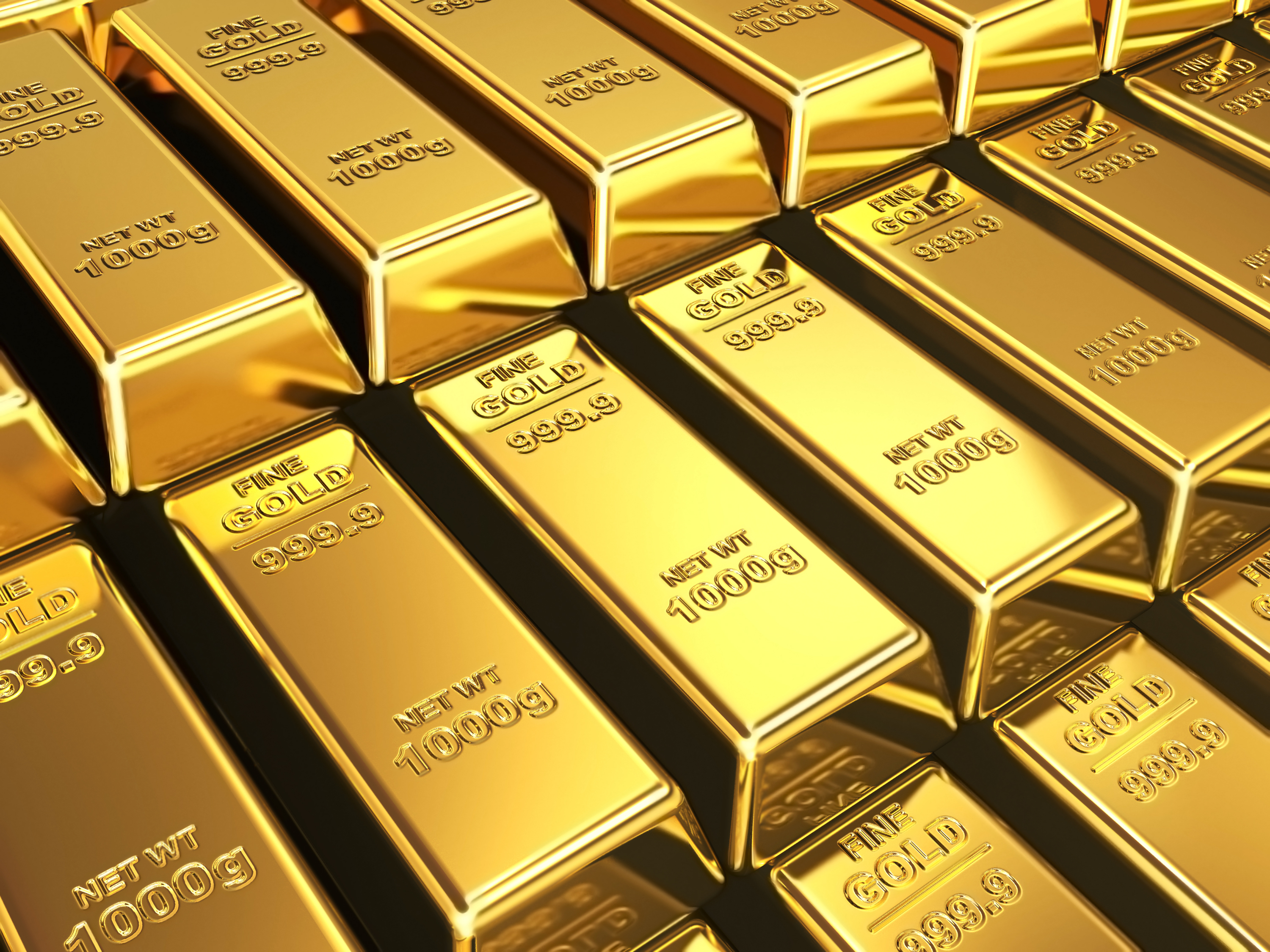
Gold, usually referred to as the “king of metals,” has held a spot of prominence in human civilization for 1000’s of years. Its rich yellow hue and malleability made it a fascinating materials for jewellery, coins, and artifacts, establishing it as a universal medium of trade. From the historic Egyptians, who adorned their pharaohs with gold burial masks, to fashionable traders who view it as a hedge towards inflation, gold’s significance remains undiminished.
Lately, the demand for gold has surged, driven by various elements together with geopolitical tensions, market volatility, and the continued results of the COVID-19 pandemic. Investors flock to gold as a protected haven during times of crisis, seeking to preserve their wealth amidst uncertainty. The worth of gold has seen remarkable fluctuations, reaching historical highs in 2020, when it surpassed $2,000 per ounce. As central banks worldwide adopted expansive monetary policies to combat economic downturns, gold emerged as a preferred asset, bolstered by its finite supply and inherent worth.
Conversely, silver, often dubbed the “poor man’s gold,” has additionally carved a niche for itself in the funding panorama. Whereas it lacks gold’s historic prestige, silver boasts unique properties that make it invaluable in varied industries. From electronics to solar panels, silver’s conductivity and reflectivity have made it a vital component in modern know-how. Moreover, its affordability compared to gold permits a broader range of buyers to take part in the treasured metals market.
The latest surge in demand for silver has been fueled by a mixture of industrial purposes and growing interest from retail buyers. The rise of electric vehicles and renewable energy applied sciences has spurred a significant improve in silver consumption, as these sectors rely closely on the metal. Moreover, the rise of on-line trading platforms and social media boards has empowered individual investors to have interaction with silver markets, usually driving costs higher in response to collective shopping for efforts.
However, the connection between gold and silver is just not merely one in all competition; quite, they often complement each other within the investment portfolio. Traditionally, the gold-to-silver ratio—a measure of how many ounces of silver it takes to purchase gold online usa one ounce of gold—has been a key indicator for traders. When the ratio is excessive, it could sign that silver is undervalued relative to gold, prompting savvy traders to shift their focus towards silver. Conversely, a low ratio may indicate that gold is comparatively cheap, leading to a reallocation of property.
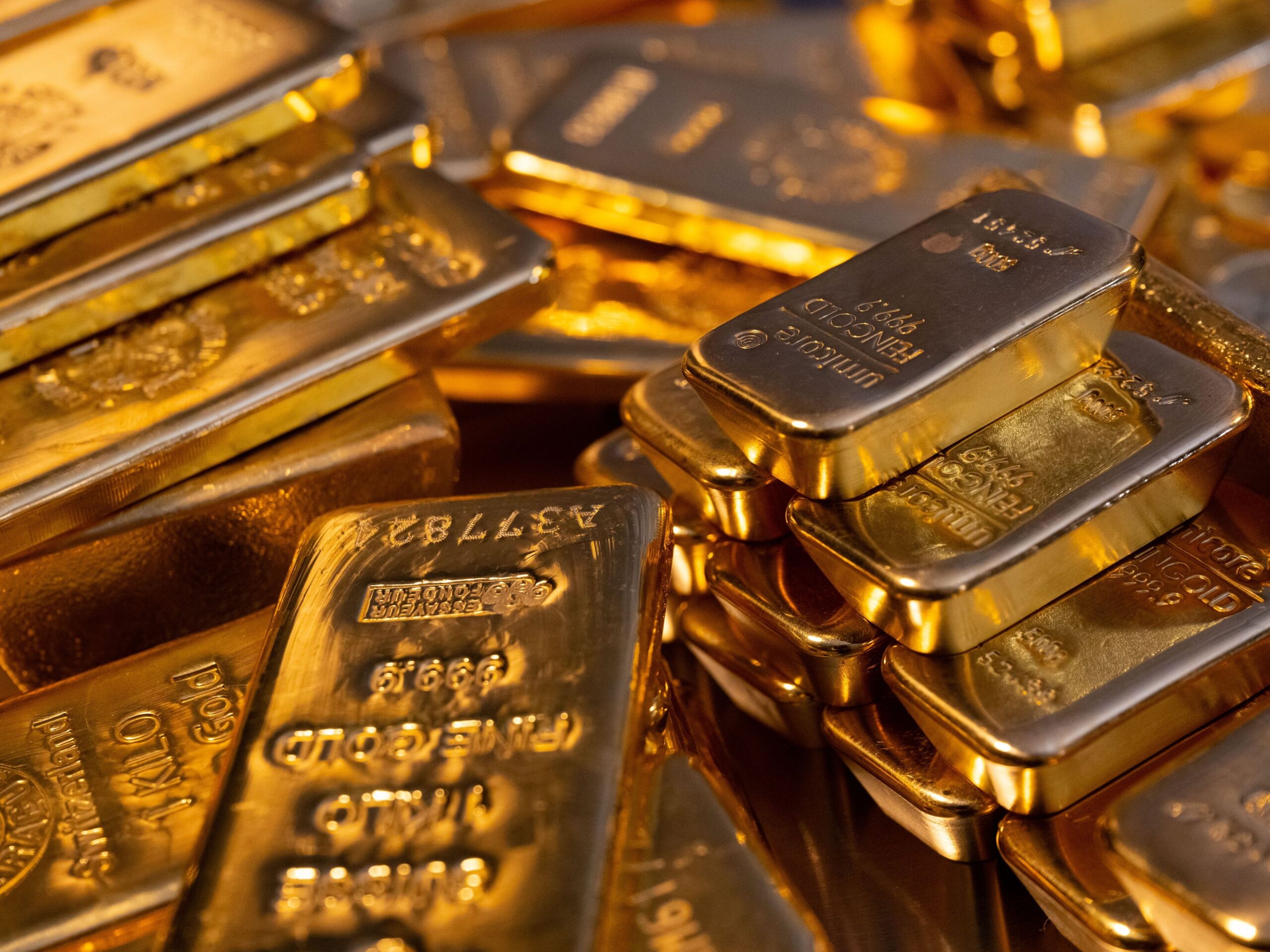
In addition to their funding potential, gold and silver hold cultural significance in numerous societies. In many cultures, gold is synonymous with prosperity and success, usually gifted throughout significant life events similar to weddings and anniversaries. Silver, however, is steadily associated with purity and clarity, making it a well-liked choice for ceremonial objects and religious artifacts. This cultural resonance provides an emotional layer to the possession of these metals, enhancing their appeal past mere monetary considerations.
As we look to the long run, the function of gold and silver in the global economy is poised to evolve further. The rising consciousness of environmental sustainability has led to a renewed give attention to accountable sourcing of treasured metals. Customers have gotten extra acutely aware of the environmental impact of mining operations, pushing for greater transparency and ethical practices within the industry. This shift could affect the best way gold and silver are mined and traded, potentially leading to larger manufacturing costs but additionally fostering a extra sustainable market.
Furthermore, the rise of digital currencies and blockchain expertise has launched new dynamics into the world of valuable metals. Some traders are exploring the potential for tokenized gold and silver, allowing for fractional ownership and increased liquidity. These innovations could democratize access to treasured metals, enabling a broader audience to have interaction with these assets in a rapidly changing financial panorama.
Nevertheless, challenges remain. Market volatility, regulatory adjustments, and geopolitical tensions can all affect the performance of gold and silver prices. Traders must remain vigilant, constantly assessing their methods in response to shifting market circumstances. Additionally, the emergence of other investments, equivalent to cryptocurrencies, might divert attention and capital away from traditional treasured metals.
In conclusion, the enduring appeal of silver and gold is a testament to their distinctive qualities and historic significance. As we navigate an increasingly complex financial panorama, these treasured metals proceed to serve as a refuge for traders looking for stability and worth. Whether by their investment potential, cultural significance, or industrial purposes, silver and gold stay integral to our understanding of wealth and prosperity. As we move forward, their roles are prone to evolve, however their shimmering allure will undoubtedly endure, captivating generations to come.

