Gold has been revered throughout history as a symbol of wealth, power, and beauty. It is a precious metal that has played a significant role in the economy, culture, and technological advancements of societies worldwide. The precious gold group, which includes gold and its various forms and applications, is a critical area of study in economics, investment, and material science. If you loved this information and you would love to receive details concerning top gold ira reviews kindly visit the web-page. This report aims to provide a detailed overview of the precious gold group, exploring its properties, historical significance, economic impact, and future prospects.
1. Introduction to Gold
Gold (Au), a transition metal with an atomic number of 79, is known for its lustrous yellow color, malleability, and resistance to corrosion and tarnishing. These unique properties make gold an ideal material for various applications, from jewelry to electronics and dentistry. Gold’s rarity and the difficulty of its extraction contribute to its high value, establishing it as a standard for monetary systems and a store of value.
2. Historical Significance
Gold has a rich history that dates back thousands of years. Ancient civilizations, including the Egyptians, Greeks, and Romans, valued gold for its beauty and rarity. The Egyptians, for instance, used gold for ornamental purposes and as a symbol of divine power, often burying it with pharaohs in their tombs. The concept of gold coins emerged in the 7th century BC, with the Lydians being credited with minting the first gold coins. This innovation revolutionized trade and commerce, leading to the establishment of gold as a standard currency across various cultures.
3. Economic Impact
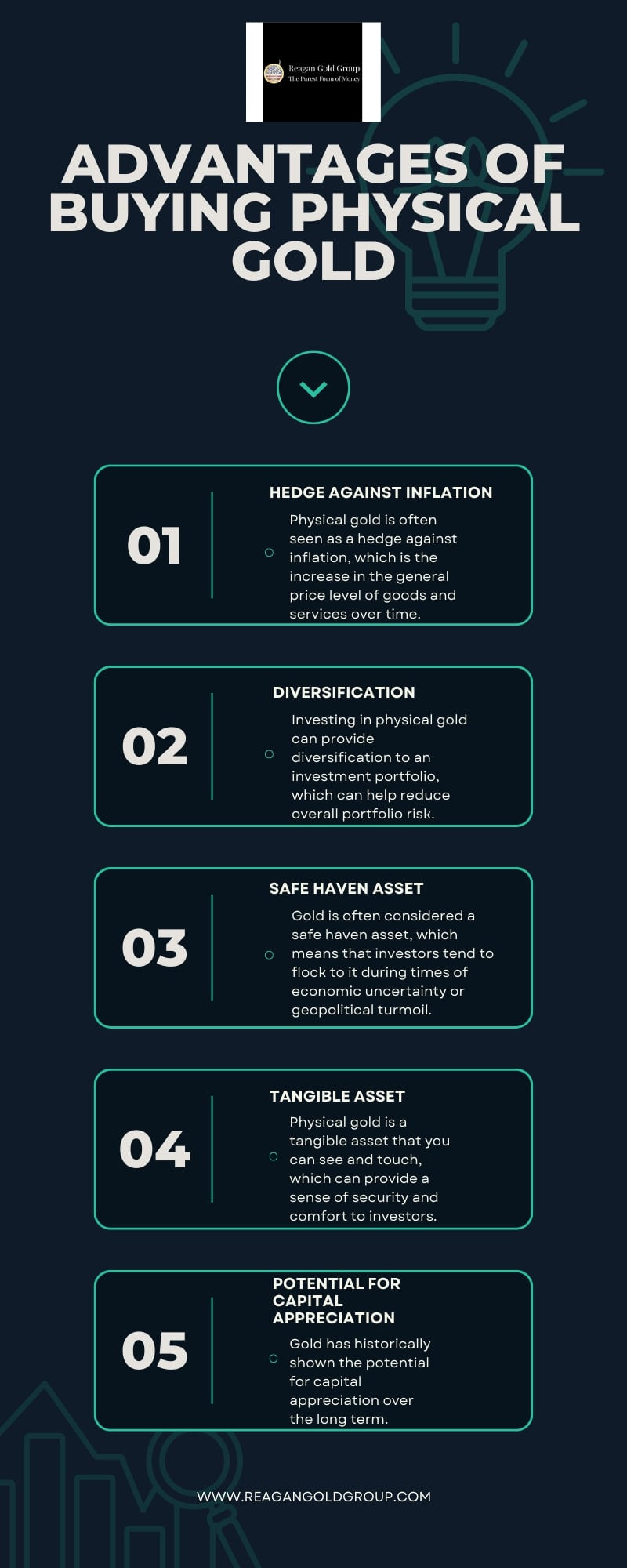
Gold plays a vital role in the global economy. It is considered a safe-haven asset, particularly during times of economic uncertainty. Investors often turn to gold as a hedge against inflation and currency fluctuations. The price of gold is influenced by several factors, including supply and demand dynamics, geopolitical tensions, and macroeconomic indicators. Gold mining companies contribute significantly to local economies, providing employment and fostering infrastructure development. The gold market is also a major sector in financial markets, with futures and options trading allowing investors to speculate on price movements.
4. Gold Mining and Production
Gold mining is a complex process that involves exploration, extraction, and processing. The two primary methods of gold extraction are placer mining and hard rock mining. Placer mining involves extracting gold from alluvial deposits, while hard rock mining involves extracting gold from ore deposits. Major gold-producing countries include China, Australia, Russia, and the United States. The environmental impact of gold mining has raised concerns, leading to the development of more sustainable practices and technologies in the industry.
5. Applications of Gold
Gold’s unique properties make it suitable for various applications beyond jewelry. In electronics, gold is used in connectors, switches, and other components due to its excellent conductivity and resistance to corrosion. In dentistry, gold alloys are used for crowns and fillings, offering durability and biocompatibility. Gold nanoparticles are increasingly used in medical applications, including drug delivery and imaging. Additionally, gold plays a role in the aerospace industry, where it is used in coatings for satellites and spacecraft due to its reflective properties.
6. The Gold Market
The gold market is a dynamic and complex system influenced by various factors. The London Bullion Market Association (LBMA) sets the benchmark for gold prices, which are determined through trading activities in major financial centers. The price of gold is quoted in troy ounces, and fluctuations can be attributed to changes in investor sentiment, central bank policies, and global economic conditions. Exchange-traded funds (ETFs) have also made gold more accessible to investors, allowing them to buy and sell gold without the need for physical ownership.
7. Future Prospects
The future of the precious gold group is shaped by several trends and challenges. The rise of digital currencies and alternative investments poses a potential threat to gold’s status as a safe-haven asset. However, gold’s intrinsic value and historical significance continue to attract investors. Technological advancements in mining and processing may lead to more efficient extraction methods, reducing environmental impact and increasing profitability. Furthermore, the growing demand for gold in emerging markets, particularly in Asia, suggests that gold will maintain its relevance in the global economy.
8. Conclusion
In conclusion, the precious gold group holds a prominent position in human history, culture, and economics. Its unique properties and historical significance have made gold a valuable asset for thousands of years. The economic impact of gold mining and trading continues to shape local and global markets, while its diverse applications in various industries highlight its versatility. As the world evolves, so too will the role of gold, adapting to new challenges and opportunities. Understanding the dynamics of the precious gold group is essential for investors, policymakers, and researchers alike, as it remains a cornerstone of wealth and stability in an ever-changing world.
9. References
- World Gold Council. (2023). Gold Demand Trends.
- LBMA. (2023). Gold Price Information.
- United States Geological Survey. (2023). Mineral Commodity Summaries.

